The IndiGo crisis highlights a broader failure of both airline management and regulatory oversight.
Rajneesh Kapur
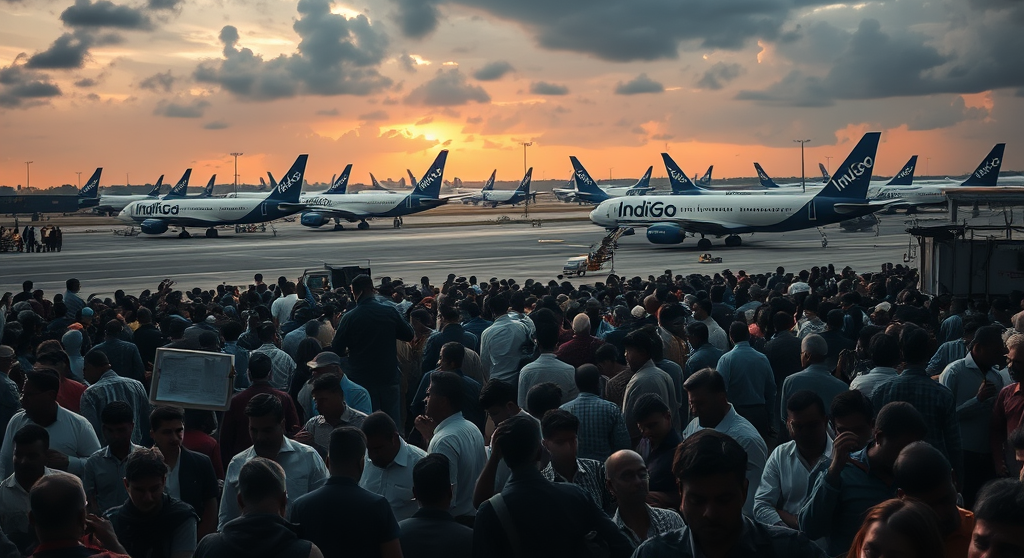
Indian aviation saw the darkest period recently when it witnessed a huge crisis due to non-compliance by the major private airline Indigo. The outcome led to a chaotic situation not only in the sky but also on ground. This projected a bad image of Indian aviation globally. IndiGo’s current crisis, marked by over 1,000 flight cancellations and widespread operational paralysis, is the most severe disruption in Indian aviation since the grounding of Jet Airways in 2019. The airline, long regarded as a paragon of efficiency and punctuality, now faces a crisis of confidence due to its failure to anticipate and prepare for updated Flight Duty Time Limitations (FDTL) norms. Coupled with chronic under-staffing and a lean manpower strategy, the airline was left scrambling for contingency plans as it left thousands stranded across the country.
This crisis could have been avoided had the airline would have adhered to the directions of the regulator. IndiGo’s management ignored repeated warnings from pilot unions and industry experts about the risks of a hiring freeze and non-poaching pacts, which left the airline critically short of cockpit and cabin crew when the new FDTL rules came into effect. The airline’s strategy to cut costs by keeping staff numbers lean backfired when winter operations and stricter crew rest requirements came into affect. The crisis was further exacerbated by poor roster planning and regulatory lapses. IndiGo’s CEO Pieter Elbers admitted that restoring normal operations will take few more days, as the airline seeking temporary exemptions from new pilot duty rules. However, the question arises that when the regulator had given enough time to all the operators to comply with the new norms, why did Indigo choose to ignore them then?
India’s aviation history is littered with examples of private airlines that collapsed due to similar management failures and external pressures. Kingfisher Airlines, once the country’s most glamorous carrier, succumbed to financial mismanagement and excessive debt, leading to its abrupt shutdown in 2012. Jet Airways, the pioneer of India’s private aviation era, faced a similar fate in 2019 due to violations of the rule book, poor financial controls, mounting losses, and an inability to adapt to changing market conditions. The way Indigo chose to ignore the new FDTL norms is reminiscent of Jet Airways, which as the largest private carrier in India ignored the rule book to suit its convenience. These examples underscore a recurring pattern: airlines that prioritise short-term cost savings over safety of pilots and passengers and regulatory compliance requirements reach a breaking point and implode suddenly.
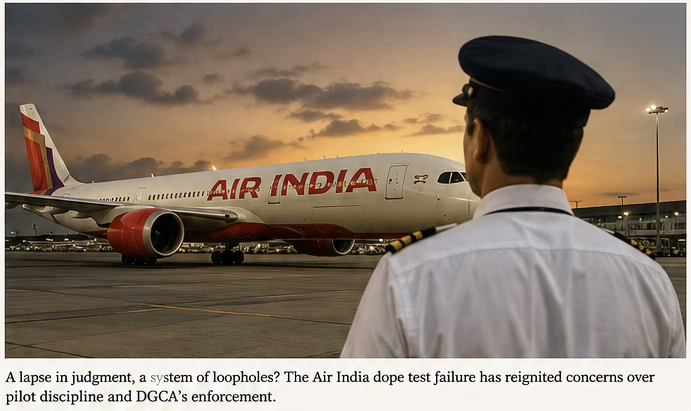
 The IndiGo crisis highlights a broader failure of both airline management and regulatory oversight. The DGCA’s approval of winter schedules without verifying crew availability under new norms reflects a lack of rigorous checks. Other airlines, such as Air India, Akasa and even Spicejet, managed to avoid similar disruptions by proactively adjusting rosters and hiring additional staff in anticipation of regulatory changes. This suggests that the crisis could have been mitigated or even avoided, had IndiGo adopted a more transparent and pro-active approach to staffing and compliance. The absence of strict compliance audit by the DGCA is also played role leading to this chaos.
To prevent future crises, airlines must prioritise operational resilience, invest in adequate staffing and maintain open channels with regulatory bodies and employee unions. The government should also strengthen oversight mechanisms to ensure that flight schedules are approved only after verifying compliance with all operational and safety norms. The regulator body should also invite suggestions from the operators so as to adjust their demands as well, keeping in mind the operational issues. The IndiGo crisis is not just a story of one airline’s missteps but a cautionary tale for the entire Indian aviation sector.
 Strict regulatory action by the DGCA in the wake of IndiGo’s crisis can set a powerful precedent for airline violations in India. The DGCA has already initiated a comprehensive inquiry into the circumstances leading to the mass cancellations, with a four-member panel tasked to submit a report within 15 days to recommend enforcement actions and institutional reforms. Past precedents show that the regulator has not hesitated to impose severe penalties for non-compliance, including financial fines ranging from Rs 10 lakh to Rs 90 lakh or more, suspension or withdrawal of operator permissions and even the removal of responsible executives for repeated or egregious breaches. For example, the DGCA recently fined Air India Rs 30 lakh for allowing a pilot to operate a flight without meeting mandatory regulatory requirements. DGCA has previously removed senior officials from Air India for serious and repeated lapses in crew scheduling and safety oversight.
By enforcing such penalties and holding airlines and their management personally responsible, the DGCA sends a clear message: operational shortcuts, regulatory non-compliance and negligence will be met with swift and stringent consequences. This not only protects passengers but also incentivises all airlines to prioritise safety, compliance, and long-term operational resilience over short-term cost savings. The current crisis and the regulator’s robust response could mark a turning point in Indian aviation, where strict enforcement becomes the norm rather than the exception.
IndiGo’s crisis is a stark reminder that operational excellence is not just about efficiency and punctuality, but also about preparedness, adaptability and responsibility. The lessons from past airline failures and the current IndiGo debacle should prompt both industry leaders and regulators to work towards a more sustainable and resilient aviation ecosystem in one of the fastest growing markets in the world.
*Images used in the story are AI generated